
Meditation That Actually Works
A Clear Guide to Choosing the Right Practice for Your Mind
Most people do not struggle with meditation. They struggle with using a method that does not match their system. When the method fits your current state, practice becomes steady, clear, and effective. The aim is to stabilise a coherent internal state and then refine it over time.
Meditation becomes powerful when you understand what your system is asking for. If your mind moves constantly with rapid thoughts, planning, and internal dialogue that does not settle, your system is seeking structure. In this case, focused attention or mantra works well because it gives the mind a clear anchor and reduces fragmentation.
If your system feels emotional or reactive, with fluctuating mood or difficulty stabilising, your system is seeking regulation. Compassion based practice helps shift emotional tone and build internal steadiness.
If your body feels restless or disconnected, or sitting still feels difficult, your system is seeking integration. Movement based practice reconnects awareness, breath, and physical sensation, allowing stillness to emerge more naturally.
If your awareness already feels stable and you can sustain attention without being pulled into distraction, your system is ready for refinement. At this stage, combining methods becomes effective. You can begin with structure and then open into more spacious awareness.
Each meditation method creates a different outcome. Focused attention trains stability of attention. Compassion practice reshapes emotional tone. Mantra organises attention through rhythm and repetition. Visualisation reorganises perception and internal imagery. Movement integrates awareness into the body. Understanding this allows you to choose the right tool for the result you want.
Mantra is one of the most direct ways to stabilise attention. It gives the mind a rhythm to follow and reduces internal noise. Each mantra also creates a specific quality in the system.
Om Mani Padme Hum generates compassion and emotional clarity. It is useful when the system feels reactive or disconnected from others. You can repeat it silently or softly, allowing the sound to follow the breath and bring a sense of steadiness to the chest.
Om creates a strong centre. It is useful when attention feels scattered. Repeating it slowly while feeling the vibration through the body helps bring awareness into alignment.
So, Hum aligns awareness with the breath. It works well if you want a natural rhythm. Silently repeat So on the inhale and Hum on the exhale, allowing the breath and awareness to move together.
To begin, keep the structure simple. Sit comfortably and take a moment to arrive. Spend a few minutes with breath or mantra, then allow awareness to rest or bring in a sense of compassion. Even five to ten minutes practiced consistently will begin to stabilise your state.
Practicing with others can strengthen this process. When people meditate together, attention stabilises more easily and a shared sense of coherence develops. This supports both individual clarity and a wider sense of connection.
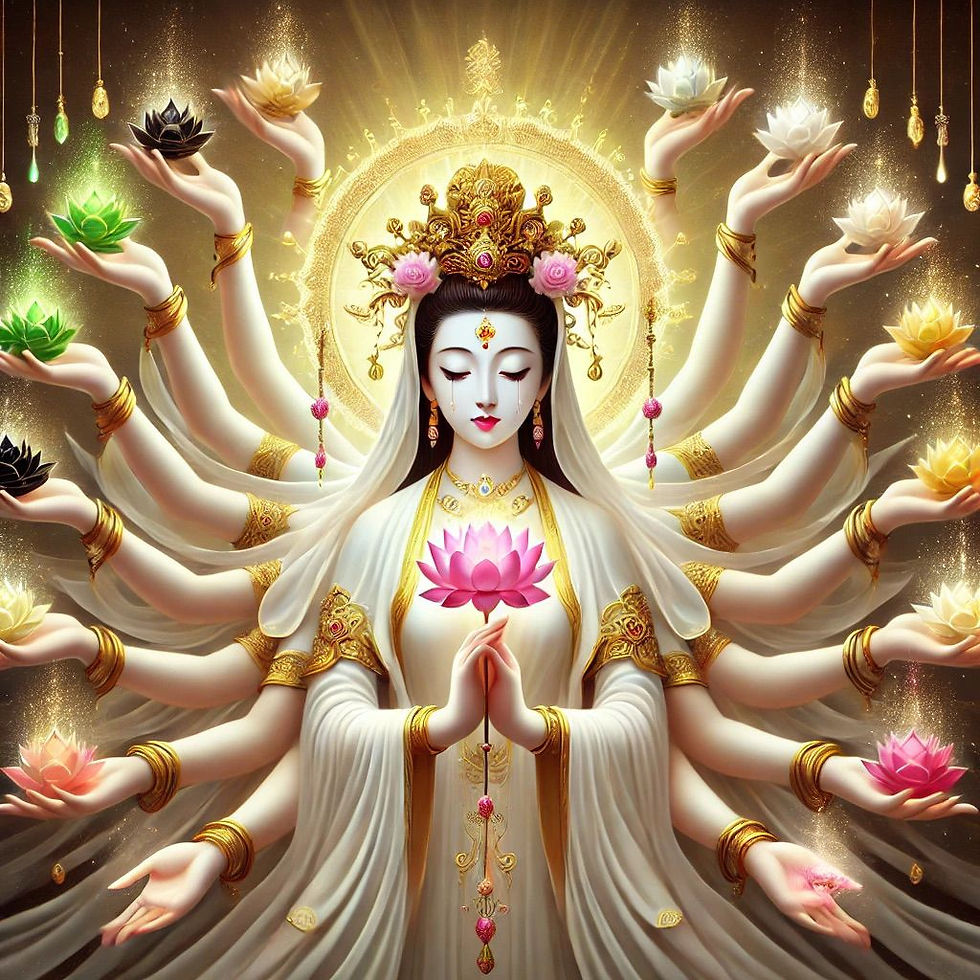
Once you understand your system, you can move into a more integrated practice. The Kwan Yin Compassion Mandala combines mantra, visualisation, and compassion into one coherent method. It is designed to stabilise attention, regulate emotional tone, and develop a clear internal state.
Choose one method and stay with it for seven days. Observe what changes in your attention, breath, and emotional tone. Then refine your approach based on what you notice.
Stability comes first. Clarity follows. Compassion becomes something you express through how you live.
If you want to begin now, sit comfortably, close your eyes, and repeat Om Mani Padme Hum silently for a few minutes. Let the sound guide your attention and allow the system to settle.
Comments